5 Gardening Hacks from Social Media That Are a Waste of Time
5 Gardening Hacks from Social Media That Are a Waste of Time
In recent years, the rise of “life hacks” has taken the internet by storm. With countless tips flooding social media on everything from cooking to home improvement, it’s easy to get caught up in the excitement. However, when it comes to gardening, many of these hacks are based more on myth than on science. Here, we highlight five popular gardening techniques that simply don’t work as promised. Next time they pop up on your feed, you’ll know to scroll past!
1. Growing Seedlings in Eggshells
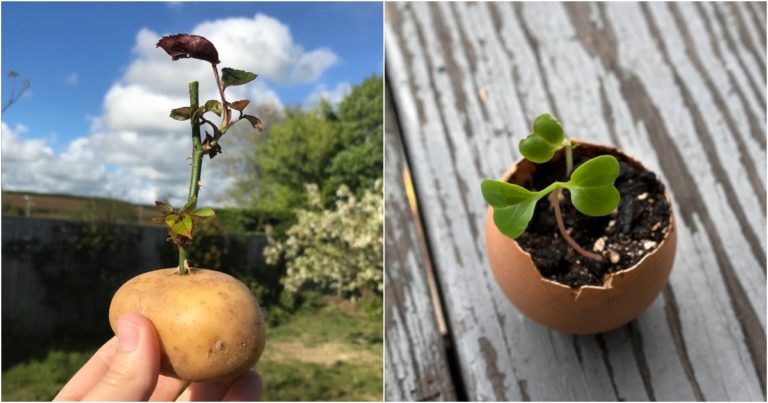
Eggshells seem like an ideal solution for starting seedlings. The idea is that they provide nutrients and decompose into the soil when planted. In theory, it sounds great, but it turns out this hack just doesn’t hold up. While you can start seeds in eggshells, the limited space means the roots often outgrow them before they can break through. This results in stunted growth or even death.
Instead of using eggshells, consider better alternatives like biodegradable pots or seedling trays that allow more room for development.
2. Banana Peel Fertilizer
Using banana peels as fertilizer is another popular hack. The concept is simple: soak banana peels in water to create a nutrient-rich solution. Unfortunately, the nutrient content in banana peels is minimal, making this method ineffective. When you pour this “fertilizer” on your plants, you aren’t providing any significant benefits.
For a more effective use of banana peels, toss them into your compost bin where they can break down properly and contribute to rich soil over time.
3. Using Coffee Grounds to Acidify Soil
The notion that coffee grounds can acidify soil has delighted coffee lovers looking to boost their gardening efforts. However, brewed coffee loses most of its acidity during the brewing process. While you could use unbrewed coffee grounds, adding them can introduce caffeine to the soil, which actually hampers the growth of other plants nearby.
If you want to acidify your soil, consider using elemental sulfur instead, which is a reliable option for raising acidity levels.
4. Propagating Roses with a Potato
You may have seen someone stick a rose stem into a potato to propagate it. This hack claims that the potato keeps the cutting moist. However, potatoes naturally emit ethylene gas, which can inhibit root growth, making this method largely ineffective. Instead of getting a blooming rose bush, you may end up with a rotten potato.
For successful rose propagation, consider traditional rooting techniques without the potato gimmick.
5. Using a Terracotta Pot Heater for Greenhouses
The idea of using terracotta pots and tealight candles to heat a greenhouse has become popular on social media. The theory is that the candles will warm the terracotta, which will then radiate heat. However, the amount of heat produced by a tealight is minimal, and using a pot doesn’t increase that output. In fact, it’s quite inefficient and poses a fire risk to your plants.
If heating your greenhouse is a priority, invest in a proper space heater that can effectively raise the temperature without compromising safety.
Conclusion
While social media offers a plethora of gardening hacks, many of them lack scientific backing and can be counterproductive. By understanding the limitations of these popular techniques, you can make more informed decisions about your gardening practices. Stick to reliable methods, and you’ll be on your way to a flourishing garden!