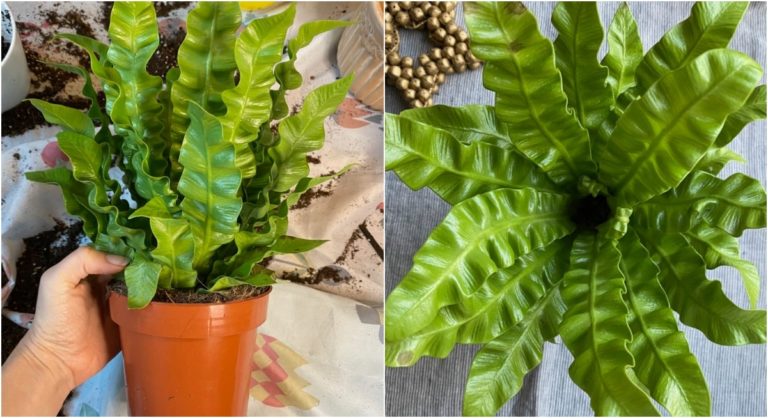
How to Care for the Popular ‘Crispy Wave’ Fern at Home
How to Care for the Popular ‘Crispy Wave’ Fern at Home
If you’re passionate about houseplants, you may have experienced the ups and downs of keeping them alive. While some plants thrive effortlessly, others may seem to exist in a perpetual struggle. One plant that has proven to be a delightful exception is the ‘Crispy Wave’ fern. If you’ve faced challenges with other ferns, this durable beauty might just capture your heart.
Introduction to the ‘Crispy Wave’ Fern
The ‘Crispy Wave’ (Asplenium nidus) is not only visually stunning but also quite forgiving, making it a great option for those who have struggled with other ferns, such as the Boston fern. This unique fern has quickly restored my faith in indoor plants, and I’m eager to share its care tips with you.
Understanding the ‘Crispy Wave’ vs. Bird’s-Nest Fern
First, it’s important to clarify that the ‘Crispy Wave’ is actually a cultivar of the bird’s-nest fern. Although common parlance often refers to all Asplenium nidus as bird’s-nest ferns, the ‘Crispy Wave’ is one of several popular cultivars. This bird’s-nest variety was patented in Japan in 2000 and later in the U.S. in 2010, marking it as a relatively new addition to our indoor plant collections.
Key Differences Between ‘Crispy Wave’ and ‘Osaka’
- Frond Structure: The ‘Crispy Wave’ has stiff, curly fronds, while ‘Osaka’ boasts softer, more overhanging ones.
- Frond Count: ‘Crispy Wave’ generally has around 35 fronds, compared to the ‘Osaka’, which has about 40.
- Growth Habit: ‘Crispy Wave’ maintains a compact growth at about 8 inches tall and spreads about 20 inches, whereas ‘Osaka’ grows taller at 12 inches.
Caring for Your ‘Crispy Wave’ Fern
Watering Guidelines
Though the ‘Crispy Wave’ hails from tropical regions, it doesn’t require excessive watering. Instead, it thrives in consistently moist yet well-draining soil. A special fern potting mix, high in coco coir and finer bark, can work wonders. Here are some tips for optimal watering:
- Water from below to maintain moisture without saturating the soil.
- A self-watering planter can help keep your fern happy.
- Never allow water to collect in the rosette of the plant.
Humidity Requirements
The ‘Crispy Wave’ fern flourishes in high humidity. A consistent environment where temperatures do not drop below 50°F (around 10°C) is ideal. Keeping it in kitchens or bathrooms can provide the increased humidity it craves. If humidity is low, consider these options:
- Place wet towels on heat sources to add moisture to the air.
- Utilize a pebble tray to maintain humidity around the plant.
Light Needs
This fern prefers indirect light, mimicking its natural habitat where it grows beneath tree canopies. If your living space is bright, position the ‘Crispy Wave’ away from direct sunlight or behind sheer curtains. This prevents leaf scorch and keeps your fern healthy.
Propagation and Flowers
Like many ferns, the ‘Crispy Wave’ does not produce flowers. Instead, it propagates via spores on the undersides of its leaves. However, indoor hybrids often lack robust spore structures, making them less of a concern for allergies. Propagation through spores is not easy and is best left to professionals.
Conclusion
The ‘Crispy Wave’ fern has proven itself as a resilient and charming houseplant, perfect for beginners and seasoned plant lovers alike. With the right care and attention to humidity, watering, and light, you can enjoy the beauty of this unique fern in your home. Will this exceptional plant become a popular choice among houseplants, or will it remain a niche collector’s item? Only time will tell!