17 Secret Plumbing Techniques for Perfect Tile Roof Drainage You Need to Know!
17 Essential Techniques for Perfect Tile Roof Drainage You Need to Know
- Introduction
- The Importance of Proper Drainage
- Key Techniques for Effective Drainage
- Maintenance Tips for Tile Roofs
- Common Mistakes to Avoid
- FAQ
Introduction
Have you ever noticed pools of water forming on your tile roof after a heavy rain? This might leave you feeling anxious about potential damage or leaks. Proper drainage is essential to maintaining both the integrity of your roof and the overall structure of your home. Understanding effective drainage techniques can save you time, money, and worry in the long run. Keep reading to discover how to ensure optimal tile roof drainage in your home.
The Importance of Proper Drainage
Before diving into techniques, it’s crucial to understand why drainage matters. Proper drainage prevents water accumulation, which can lead to:
- Structural damage: Water that pools on your roof can weaken the materials over time.
- Mold growth: Moisture can encourage mold and mildew, affecting air quality.
- Increased maintenance: Poor drainage often results in more frequent repairs and upkeep.
By prioritizing drainage, you’re not only protecting your investment but also ensuring a safe and healthy living environment.
Key Techniques for Effective Drainage
Implementing the following techniques can greatly enhance your tile roof drainage:
1. Use Quality Roofing Materials
Choose high-quality tiles that are designed for durability and drainage. Not all tiles are created equal, and investing in the right materials can significantly impact water flow.
2. Install a Proper Underlayment
A good underlayment acts as a barrier, ensuring that water does not seep into the roof structure. Opt for materials renowned for their water-resistant properties, such as synthetic underlayment or modified bitumen.
3. Create Sufficient Slope
Ensure your roof has an adequate slope to facilitate water flow. A slope of at least 3:12 is ideal for tile roofs; this ensures that water drains away effectively.
4. Utilize Roof Valleys
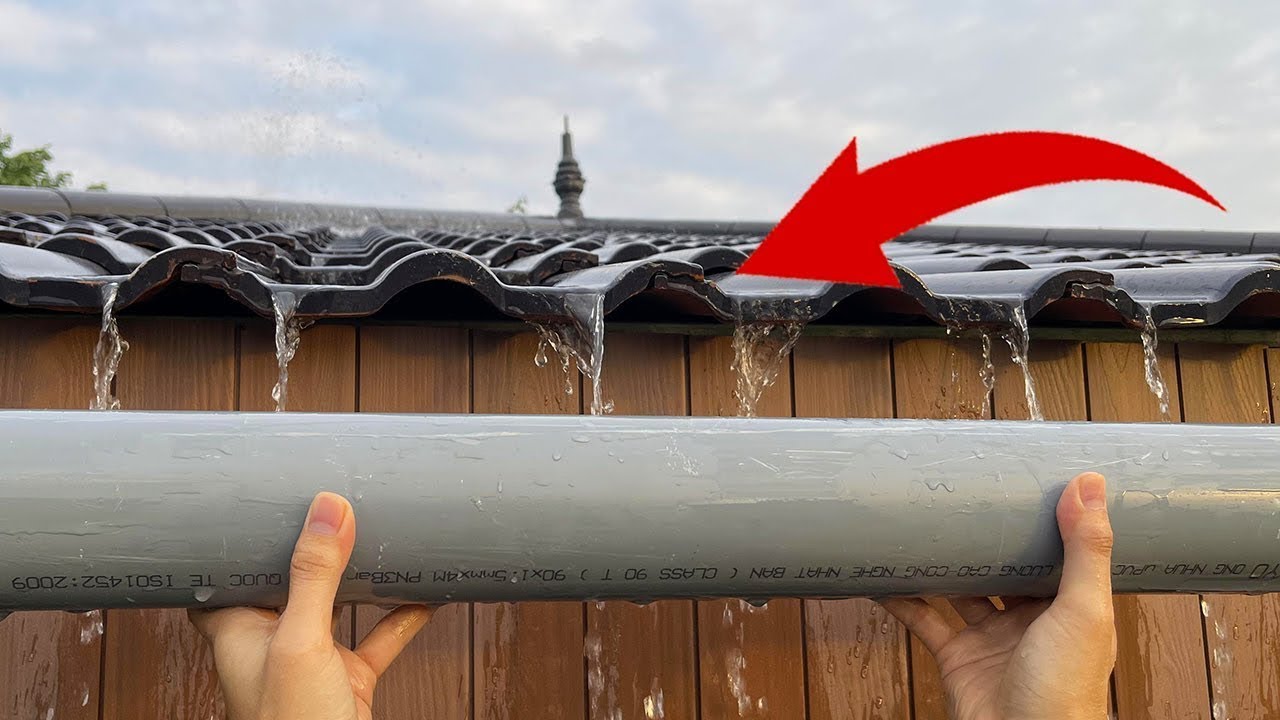
Roof valleys are natural channels for draining water. Ensure they are properly lined and maintained to guide water toward the gutters.
5. Invest in Quality Gutters and Downspouts
Your gutters should be wide enough to handle heavy rainfall and positioned at the correct angle for efficient drainage. Opt for seamless gutters to minimize leaks.
6. Regular Cleaning and Maintenance
Debris can block water flow, so regularly clean your roof and gutters. This not only enhances drainage but also increases the lifespan of your roof.
Maintenance Tips for Tile Roofs
To maintain effective drainage, follow these essential tips:
1. Inspect Regularly
Make it a habit to check your roof at least twice a year. Look for damaged tiles, debris, and potential blockages in the gutters.
2. Clear Debris Immediately
After storms or heavy winds, remove fallen leaves and branches. Leaving debris can lead to water accumulation and mold.
3. Check Flashing and Sealants
Inspect flashings around chimneys and vent pipes. Damaged flashings often lead to leak issues, which can compromise drainage.
Common Mistakes to Avoid
Avoiding these common pitfalls can enhance your tile roof’s drainage:
1. Skipping Maintenance
Neglecting seasonal maintenance can lead to drastic issues. Regularly inspect and maintain your roof and drainage systems.
2. Miscalculating Slope
A slope that is too shallow can cause water pooling. Ensure that your roof slope meets recommended guidelines for optimal drainage.
3. Using Incompatible Materials
Mixing different roofing materials can complicate drainage. Always stick to compatible materials designed for your roofing type.
FAQ
What is the best slope for tile roofs? A slope of at least 3:12 is recommended to ensure proper drainage.
How often should I inspect my tile roof? Inspections should occur at least twice a year, with additional checks after severe weather.
Can I clean my roof myself? Yes, but take necessary safety precautions or consider hiring a professional for challenging areas.
Conclusion
Ensuring perfect tile roof drainage involves a combination of the right materials and regular maintenance. By implementing these techniques, you can protect your home from water damage and enhance its longevity. What are your go-to tips for maintaining a tile roof? Share your thoughts in the comments!