3 Shocking Side Effects of Chia Seeds You Need to Know Now!💥 Discover More!
3 Surprising Side Effects of Chia Seeds You Need to Know
- Introduction
- Unexpected Allergies
- Digestion Issues
- Nutrient Interactions
- Mistakes to Avoid
- FAQ
- Conclusion
Introduction
Many health enthusiasts are increasingly incorporating chia seeds into their daily routines, often heralded for their nutritional benefits and versatility. However, as you add these tiny powerhouses to your meals, you might not be fully aware of the potential side effects that can accompany them. From unusual allergies to digestive complications, it’s important to understand these unexpected outcomes. Let’s delve into the lesser-known side effects of chia seeds and why they matter for your health.
Unexpected Allergies
While chia seeds are generally safe for most people, some may experience unexpected allergic reactions. Here are some details:
1. Recognizing Allergic Reactions
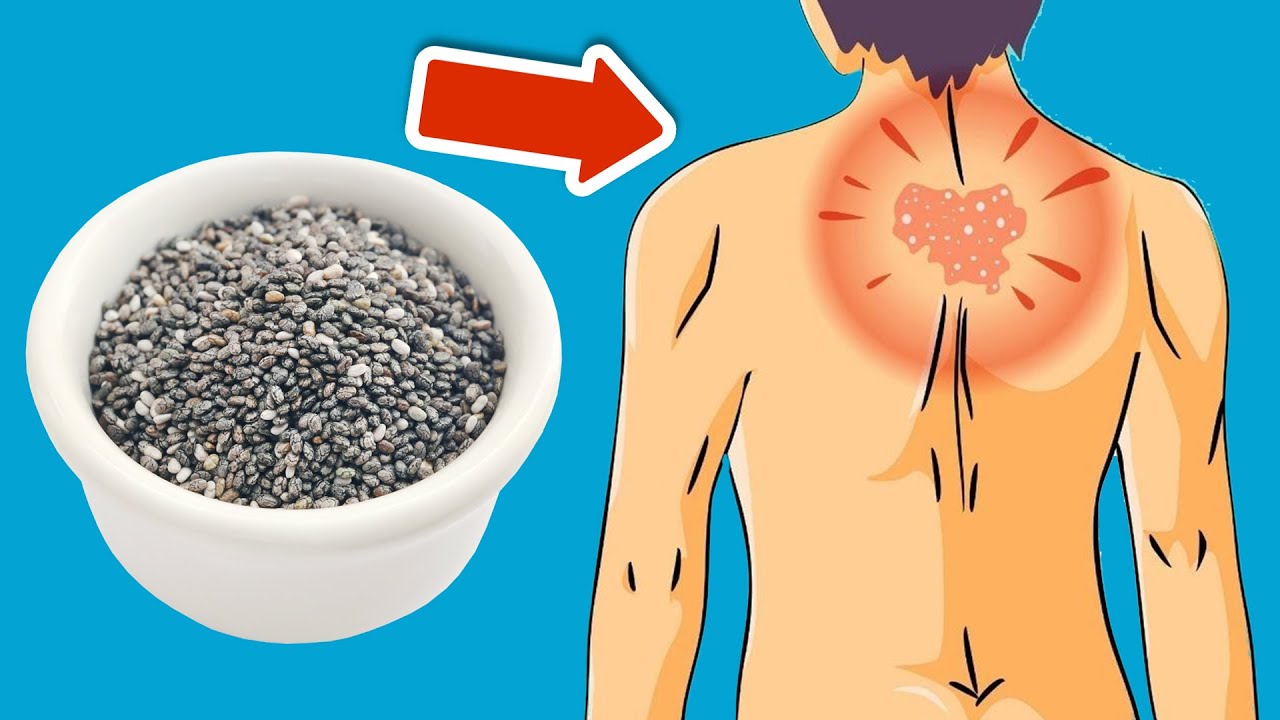
Though rare, allergic reactions to chia seeds can occur. Symptoms may include skin rashes, itching, or even gastrointestinal distress. If you’re new to chia, start with a small amount to monitor how your body reacts.
2. Previous Allergies Matter
Individuals with allergies to other seeds, like sesame or flaxseed, may be at increased risk of chia seed allergies. Understanding your allergy history can help you make informed choices.
3. Consulting Professionals
If you suspect an allergy, consult a healthcare professional. They can provide testing and guidance on how to safely incorporate chia seeds into your diet.
Digestion Issues
Many people enjoy the high fiber content of chia seeds, but this can also lead to some unwanted digestive problems. Here’s what to consider:
1. Fiber Sensitivity
The soluble fiber in chia seeds can improve digestion for many, but it might trigger issues like bloating or gas for others, particularly if consumed in large quantities. Aim for a balanced approach.
2. Hydration is Key
Chia seeds expand in water, absorbing several times their weight. If you don’t drink enough fluids, you might experience discomfort. Ensure you are hydrating adequately when consuming chia seeds.
3. Gradual Introduction
To avoid overwhelming your digestive system, introduce chia seeds slowly into your diet. Start with a teaspoon or two and gradually increase your intake. This helps your body adjust to the fiber content.
Nutrient Interactions
Chia seeds are nutrient-dense, but they may influence the absorption of certain nutrients due to their high fiber content. Here are some insights:
1. Calcium Absorption
Chia seeds contain oxalates, which can bind calcium and potentially inhibit its absorption. While nutritious, it’s wise to consider this if you rely heavily on chia seeds for calcium intake.
2. Balancing Nutrients
To maximize nutrient absorption, balance your chia seed consumption with other foods rich in calcium and nutrients. A well-rounded diet is essential.
3. Monitoring Your Health
If you have specific dietary concerns, track how chia seeds affect your body’s nutrient levels. This can help you adjust your intake for optimal health.
Mistakes to Avoid
When incorporating chia seeds into your diet, being aware of common missteps can help you reap their benefits without complications:
- Overconsuming chia seeds without proper hydration can lead to digestive issues.
- Failing to check for allergies before adding chia seeds can result in unexpected reactions.
- Ignoring the potential for nutrient interactions may affect your overall health.
- Using chia seeds as your only fiber source can lead to an unbalanced diet. Variety is essential.
- Skipping gradual introduction into your meals can overwhelm your digestive system.
FAQ
Are chia seeds safe for everyone?
While chia seeds are generally safe, individuals with specific allergies or digestive issues should consult a healthcare professional before consuming them.
How much chia seed should I eat daily?
A typical recommendation is 1 to 2 tablespoons per day, but adjustments may be necessary based on individual health and dietary needs.
Can I eat chia seeds if I have digestive problems?
If you have digestive issues, start with smaller amounts and ensure you’re drinking plenty of water to avoid discomfort.
Conclusion
Understanding the side effects of chia seeds can help you enjoy their benefits while preventing unwanted complications. Monitor your body’s responses and consult health professionals if needed. Have you had any experiences with chia seeds that surprised you? Share your thoughts in the comments!