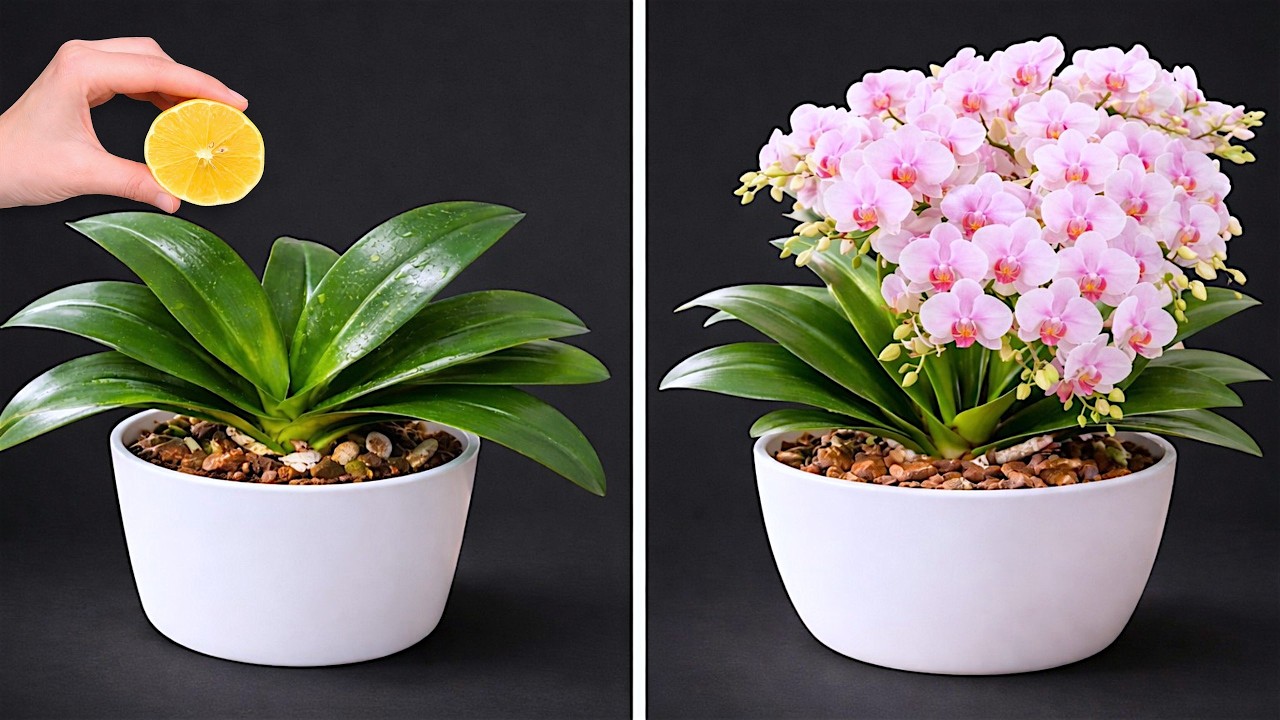
Transform Your Orchid: 5 Tips for a Stunning, Flowerless Bloom!
Transform Your Orchid: 5 Tips for a Stunning, Flowerless Bloom!
Orchids are a beautiful addition to any home, yet they can be challenging to care for, particularly when they don’t bloom as expected. You may find yourself wondering why your orchid isn’t producing those stunning flowers, despite your efforts. It’s tempting to think you might be doing something wrong, which can lead to frustration. The truth is that there are specific tips and tricks that can help your plant thrive, even when it’s not in bloom. Let’s delve into those helpful insights.
Understanding Orchid Needs
To properly care for your orchid, it’s essential to first understand the unique requirements of these plants. Orchids thrive in environments that mimic their natural habitats, which are often tropical and humid. By paying attention to their specific needs, you can create the ideal living conditions.
Temperature and Humidity
Orchids prefer temperatures between 65°F and 75°F during the day and slightly cooler nights. Maintaining proper humidity—ideally around 50-70%—is also crucial. If your home is dry, consider using a humidifier or placing a shallow tray of water near your orchids.
Light Requirements
Strong, indirect light is vital for orchids. Direct sunlight can scorch their leaves, while insufficient light can prevent blooming. Ideally, place your orchids near a window with filtered light or use sheer curtains to shield them from harsh rays.
Caring for Your Orchid
Caring for your orchid properly can promote overall health and increase the chances of flowering in the future. By following these care tips, you’ll give your orchid the best chance to showcase its beautiful blooms.
Watering Techniques
- Check the potting medium: Ensure it is slightly dry before watering again.
- Water thoroughly: Water until excess moisture drains from the bottom of the pot.
- Avoid letting the plant sit in standing water: This can cause root rot.
Fertilization Tips
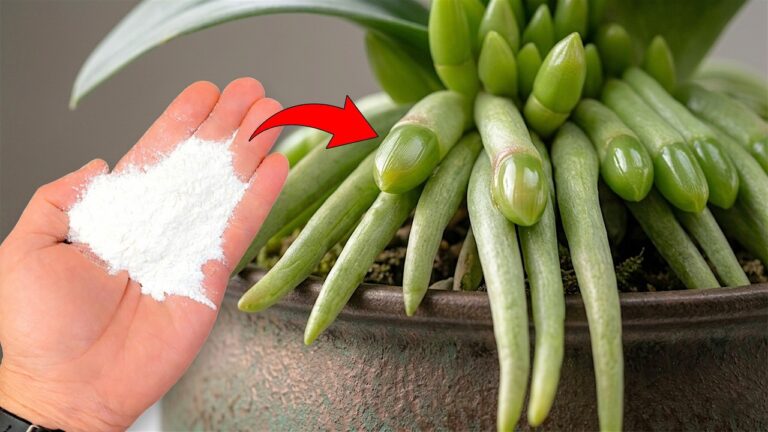
Fertilizing your orchids helps provide essential nutrients. Use a balanced, water-soluble fertilizer, diluted to half the recommended strength. Fertilize every 2-4 weeks during the growing season and reduce frequency in the winter. This will help keep your plant healthy even when it’s not blooming.
Common Mistakes to Avoid
While caring for orchids, it’s easy to slip into common pitfalls that can hinder their growth and bloom potential. Being aware of these mistakes can save your plant from unnecessary stress.
Overwatering
One of the most frequent mistakes is overwatering. Ensure you allow the potting medium to dry out between waterings; this promotes root health.
Improper Potting Medium
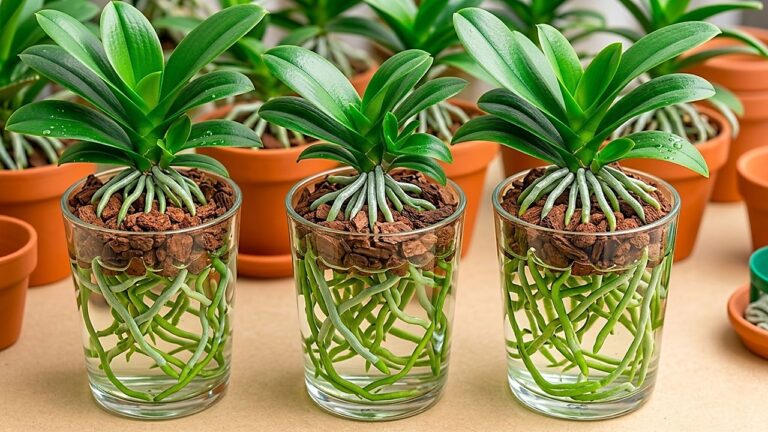
Using the wrong type of potting medium can also be detrimental. Orchids typically thrive in bark and sphagnum moss, which provide proper aeration and drainage.
Ignoring Temperature Changes
Sudden changes in temperature can shock your orchid. Ensure you keep it in a consistent environment to avoid stress and potential loss of blooms.
FAQ
How often should I water my orchid?
Water your orchid every 1-2 weeks, allowing the potting medium to dry out slightly between waterings.
Why isn’t my orchid blooming?
There are several factors, including insufficient light, temperature fluctuations, or improper watering. Ensuring proper care can help encourage blooming.
Should I fertilize my orchid year-round?
You should fertilize during the growing season every 2-4 weeks, but reduce or eliminate fertilization in the winter months when growth slows.
Conclusion
By understanding the needs of your orchid and avoiding common mistakes, you can create an environment that encourages growth and bloom potential. What challenges have you faced while caring for your orchids? Let’s discuss in the comments below!