5 Essential Facts About Vitamin K2 You Need to Know Before Taking It!
5 Essential Facts About Vitamin K2 You Need to Know
What is Vitamin K2?
Vitamin K2, often overlooked, plays a vital role in various bodily functions. Unlike its more recognized counterpart, Vitamin K1, K2 aids in calcium metabolism and is crucial for bone health. Many people don’t realize that this vitamin is produced by gut bacteria, yet it can also be found in certain foods. You might be surprised to learn just how essential it is for your overall well-being. Let’s explore what makes Vitamin K2 so important.
Understanding the Vitamin K Family
The Vitamin K family comprises two major types: K1 (phylloquinone) and K2 (menaquinone). While Vitamin K1 is abundant in leafy greens, K2 can be further broken down into several types based on their chemical structure. Most notably, MK-4 and MK-7 are the more common forms that you might encounter in supplements and whole foods.
How Vitamin K2 Works
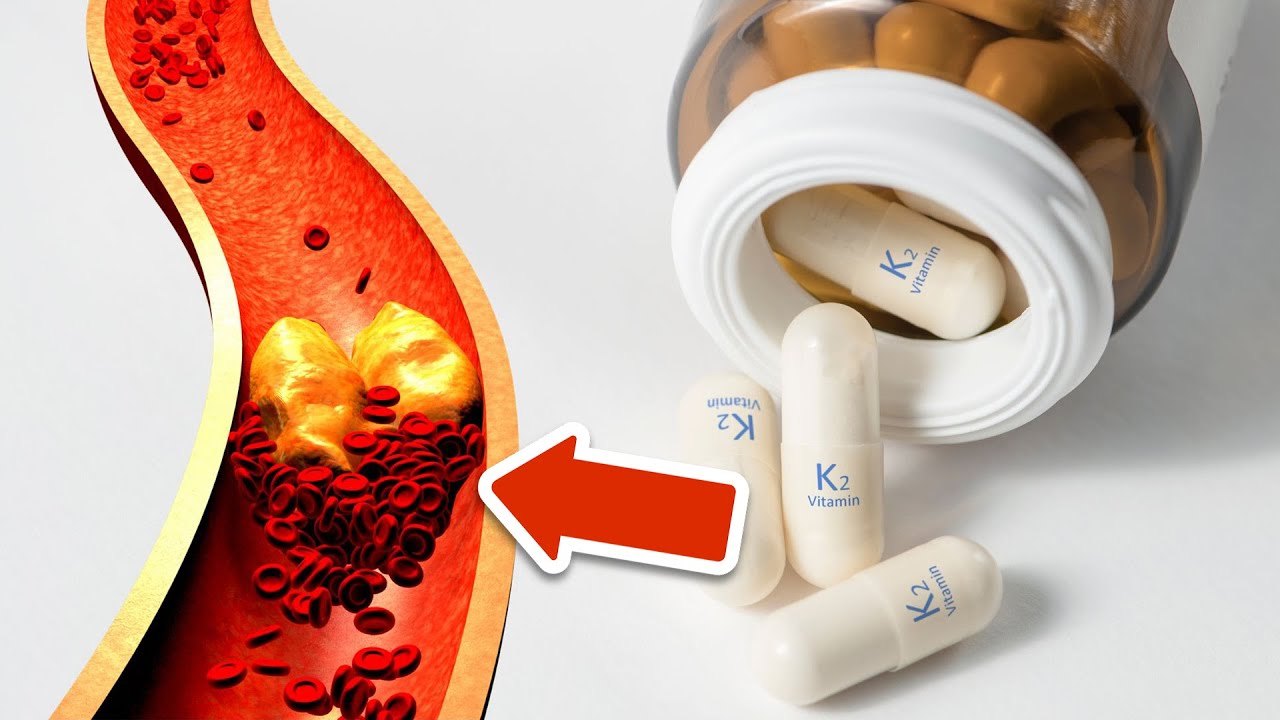
Vitamin K2 activates proteins that regulate calcium in your body. This process not only helps in maintaining bone density but also prevents calcium deposition in arteries, promoting cardiovascular health. It’s important to understand that a balanced intake of Vitamin K2 contributes significantly to maintaining your body’s calcium balance.
Benefits of Vitamin K2
Understanding the benefits of Vitamin K2 can help you appreciate the importance of including it in your diet. Here are a few prominent advantages:
Bone Health Support
Vitamin K2 is essential for bone care. It works by stimulating the production of osteocalcin, a protein that binds calcium to the bone matrix, thereby enhancing bone strength. Studies suggest that adequate Vitamin K2 intake can significantly reduce the risk of fractures.
Heart Health Improvement
By preventing calcium build-up in your arteries, Vitamin K2 plays a key role in promoting heart health. It activates Matrix Gla-protein, which helps ensure that calcium is deposited in bones rather than in arterial walls. This function can potentially lower the risk of cardiovascular diseases.
May Help with Cancer Prevention
Preliminary studies suggest that Vitamin K2 may have a role in cancer prevention. Some research indicates a correlation between higher Vitamin K2 intake and decreased rates of certain cancers. While more research is needed, this area appears promising for future health strategies.
Sources of Vitamin K2
Incorporating Vitamin K2 into your diet doesn’t have to be challenging. There are several food sources that can help you maintain adequate levels:
Fermented Foods
Fermented foods like natto, sauerkraut, and kimchi are rich in Vitamin K2. Natto, in particular, is known for having one of the highest concentrations of MK-7, making it a fantastic option for those looking to increase their intake.
Dairy Products
Full-fat dairy products like cheese and yogurt also contain Vitamin K2. Specifically, cheeses like gouda and brie are great choices if you’re looking to boost your K2 levels while enjoying a delicious treat.
Animal Products
Animal products, particularly organ meats like beef liver and egg yolks, are excellent sources of Vitamin K2. Including these in your meals can significantly enhance your nutritional intake.
Common Mistakes to Avoid
Not Checking Supplement Types
People often overlook the different forms of Vitamin K2. Always check whether you’re opting for MK-4 or MK-7, as they have different absorption rates and benefits. Choose the one that aligns with your health goals.
Ignoring Dietary Sources
Focusing solely on supplements can lead you to miss out on natural sources of Vitamin K2. Aim to diversify your food options to ensure a balanced intake, enhancing your overall nutrition.
Overlooking Interactions with Medications
If you’re taking blood thinners, be cautious with Vitamin K2. It can interact with medications like warfarin. Always consult with your healthcare provider before adding Vitamin K2 supplements to your regimen.
FAQ
What is the best dietary source of Vitamin K2?
Fermented foods, particularly natto, are among the best sources. Dairy products like cheese also provide good amounts.
Can I take Vitamin K2 supplements?
Yes, but it’s advisable to consult with a healthcare professional to determine the right form and dosage for your needs.
Is Vitamin K2 safe for everyone?
While generally safe, individuals taking certain medications like blood thinners should consult a doctor before starting any supplementation.
Conclusion
Vitamin K2 offers numerous benefits, from supporting bone health to improving cardiovascular function. By integrating various dietary sources and being mindful of possible mistakes, you can make the most of this important nutrient. What are your favorite foods rich in Vitamin K2? Feel free to share in the comments!