7 Secrets to Make Your Orchid Bloom Beautifully Again!
7 Secrets to Make Your Orchid Bloom Beautifully Again
- Understanding Orchid Care
- Creating the Ideal Environment
- Watering and Fertilizing Tips
- Common Mistakes to Avoid
- FAQ
Have you ever faced the disappointment of seeing your once vibrant orchid lose its blooms? You might notice that it’s not just the aesthetic appeal that fades; it can feel disheartening when a beloved plant seems unwell. Many orchid owners wonder what went wrong and how to bring back that beautiful display of flowers. Understanding the care required for these delicate plants is key to encouraging them to bloom again. If you’re looking to revive your orchid, keep reading for some insightful tips.
Understanding Orchid Care
Orchids are exotic and beautiful plants, but they do have specific care requirements. Knowing the basics of orchid care is essential for encouraging blooming.
1. Types of Orchids
There are many species of orchids, and each has its own care preferences. Some popular types include:
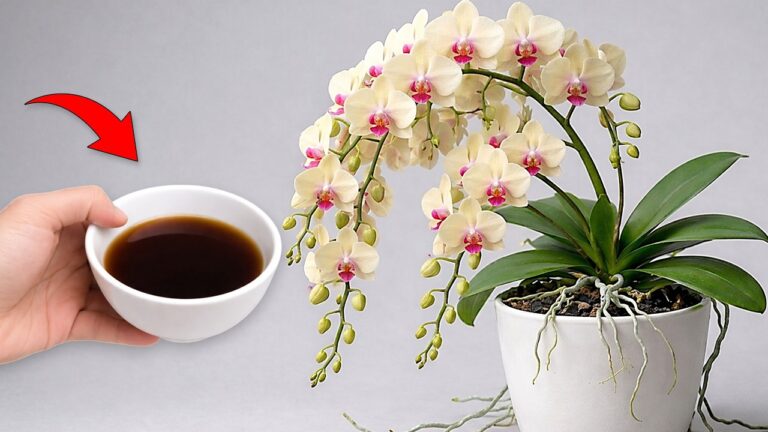
- Phalaenopsis (Moth Orchid) – known for its ease of care.
- Cattleya – produces stunning blooms but requires more light.
- Dendrobium – loves bright light and regular watering.
2. Identifying Signs of Stress
Look for signs that your orchid may be stressed, such as:
- Yellowing leaves
- Drooping or wrinkled foliage
- Failure to bloom for an extended period
Creating the Ideal Environment
Orchids thrive in specific conditions. Ensuring that your plant has the right environment will promote healthy growth and blooms.
1. Lighting Requirements
Orchids typically need bright, indirect light. Placing them near a window covered with sheer curtains can provide the right amount of brightness without scorching their leaves. Adjust the placement if you notice:
- Leaf burn – indicating too much direct sunlight.
- Leggy growth – suggesting insufficient light.
2. Temperature and Humidity
Maintaining proper temperature and humidity significantly affects blooming. Aim for:
- A daytime temperature of 70-85°F (21-29°C)
- A nighttime temperature of 60-70°F (16-21°C)
- Humidity levels between 40-70% for optimal growth
Watering and Fertilizing Tips
Proper watering and fertilization are vital for keeping your orchids healthy and encouraging blooms. Following these tips will help you avoid common pitfalls.
1. Watering Guidelines
Orchids generally prefer to dry out slightly between watering. Here’s how to ensure you’ve got it right:
- Check the potting medium before watering. If it feels dry, it’s time to water.
- Avoid letting the plant sit in water, as this can lead to root rot.
- Water in the morning to allow excess moisture to evaporate.
2. Choosing the Right Fertilizer
Using a balanced fertilizer formulated for orchids can enhance blooming. When fertilizing:
- Feed your orchids every two weeks during the growing season.
- Dilute the fertilizer to half the recommended strength for best results.
- Skip fertilizing during dormancy, typically during winter months.
Common Mistakes to Avoid
Many orchid owners unwittingly make mistakes that hinder blooming. Here are some common pitfalls and how to avoid them:
1. Overwatering
One of the biggest issues is overwatering. Ensure that the potting medium dries slightly between waterings to prevent root rot.
2. Improper Light Conditions
Forgetting to adjust the orchid’s location seasonally can lead to insufficient or excessive light, both of which hamper blooming.
3. Fertilizing Too Often
Applying fertilizer too frequently can lead to salt buildup and damage to the roots. Stick to a routine of every two weeks during the active growing season.
4. Ignoring Pests
Keep an eye out for pests like aphids or spider mites. They can stress your orchid and hinder its ability to bloom.
FAQ
How often should I water my orchid?
Watering frequency depends on the season and humidity, but orchids generally prefer to dry out slightly between waterings.
Why isn’t my orchid blooming?
Causes could include inadequate light, improper watering, or poor temperature/humidity conditions.
Can I repot my orchid after it blooms?
Yes, it’s a good time to repot orchids after blooming when their roots can be inspected and refreshed.
Reviving your orchid and encouraging it to bloom beautifully again is achievable with the right care and attention. Focus on creating the ideal conditions, being mindful of watering and feeding, and avoiding common mistakes. What tips do you find most helpful for your orchid care? Feel free to share your experiences and questions in the comments.